
A technology-free cozy evening routine is a simple set of screen-free habits that help you wind down at the end of the day, such as putting your phone away, dimming the lights, changing into something comfortable, sipping a warm drink and spending time on a calm hobby or a good book. It gives your evenings a gentle rhythm and helps your mind and body get ready for rest.
Most of us carry our screens right up to bedtime, answering one more email or watching one more video, and then wonder why we feel wired instead of sleepy. The Sleep Foundation notes that blue light from screens can suppress melatonin and that stimulating content can make it harder to relax, which is why the last hour before bed matters so much.
The Homey Hygge approach is to replace screen time with small, cozy rituals you actually look forward to, rather than white-knuckling your way through a digital detox. This guide walks through ten simple steps to build a technology-free evening routine that fits your home and your life, one comfortable habit at a time.
TL;DR: How to Create a Technology-Free Cozy Evening Routine
To create a technology-free cozy evening routine, notice how screens affect your evenings and choose a screen-off time about an hour before bed. Give your phone a bedtime outside the bedroom, dim your lights in stages and change into something cozy. Make a warm, caffeine-free drink, keep your hands busy with a calm hobby, read something on paper, add gentle scent and soft sound, and close the day with a simple reset so tomorrow starts calmly.
10 Steps to a Cozy, Screen-Free Evening Routine
You don’t need to start with all ten. Pick two or three steps that sound easiest, practice them for a week and add more as they start to feel natural.
Technology-Free Evening Routine Steps at a Glance
- Notice how screens change your evenings.
- Choose a screen-off time.
- Give your phone a bedtime.
- Dim the lights in stages.
- Change into something cozy.
- Make a warm, caffeine-free drink.
- Keep your hands busy with a cozy hobby.
- Read something on paper.
- Add gentle scent and soft sound.
- Close the day with a simple reset.
Notice How Screens Change Your Evenings
Screens can make evenings feel busier and less restful than they need to be. Bright light and stimulating content keep your mind switched on, right when your body is trying to slow down for sleep.
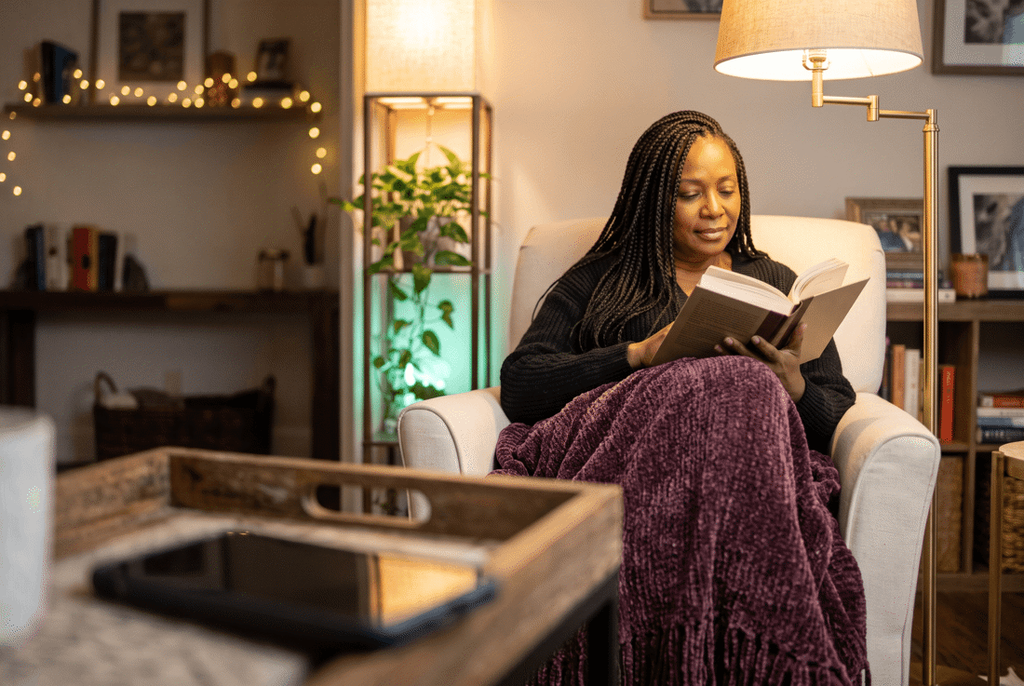
Does screen time before bed affect sleep?
Yes, it can. According to the Sleep Foundation, the blue light from phones, tablets and computers can suppress or delay melatonin, the hormone that helps you feel sleepy, and stimulating content like social media, games or work email can make it harder to relax before bed.
As daylight fades, your body naturally starts producing melatonin to prepare you for sleep. Bright screens send a signal that looks a lot like daytime, so they can delay that process. Even if you fall asleep fine, you may find it takes longer than it should, or you wake up feeling less rested.
The content matters as much as the light. A tense news story, a work message or an endless scroll can leave your mind racing long after you put the phone down. That’s why simply dimming your screen often isn’t enough to feel truly calm.
Before you change anything, spend a few evenings simply noticing. How late do you use screens? How do you feel when you finally put them down? Those observations make it much easier to choose the changes that will matter most to you.
Signs Screens Are Affecting Your Evenings
- Feeling wired at bedtime: your body is tired, but your mind isn’t.
- Losing track of time: one more video turns into an hour.
- Taking longer to fall asleep: especially after late scrolling.
- Waking up groggy: even after enough hours in bed.
- Checking messages in bed: work and worries follow you to sleep.
Homey Hygge Tip
Try a simple three-night experiment. Note what time you put your screens down and how quickly you fall asleep. Seeing the pattern on paper is often all the motivation you need to make a change.
Choose a Screen-Off Time
A set screen-off time gives your evening a clear finish line. Turning off devices about an hour before bed creates space for calmer activities and gives your mind time to settle.
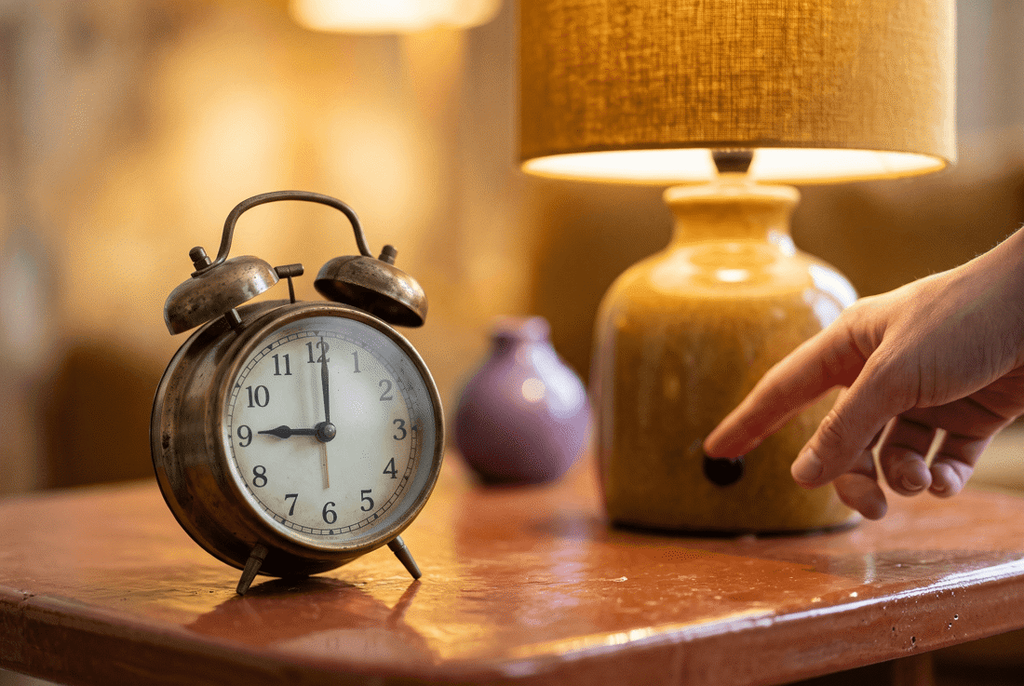
How long before bed should you stop using screens?
Many sleep experts recommend putting screens away about an hour before bed. If an hour feels like too big a leap, start with 30 minutes and gradually move your screen-off time earlier as the habit sticks.
A screen-off time works because it removes the daily decision. Instead of asking yourself whether to watch one more episode, you already know that at 9:00, the screens go off and the cozy part of the evening begins.
Choose a time that fits your real schedule. If you usually go to bed at 10:30, a screen-off time of 9:30 gives you a full hour to wind down. Setting a gentle reminder or alarm for the first few weeks can help until it becomes automatic.
It also helps to tell the people you live with. When everyone knows the screens go off at a certain time, it’s easier to stick with it, and you might find the rest of the household joins you for a game, a puzzle or a cup of tea.
Ways to Make a Screen-Off Time Stick
- Start small: 30 minutes before bed, then work up to an hour.
- Set a reminder: a gentle alarm or a note on the fridge.
- Pick a consistent time: the same time most nights.
- Tell your household: so everyone knows the plan.
- Have something ready: a book, hobby or tea waiting for you.
Homey Hygge Recommendation
Make your screen-off time the start of something nice, not just the end of screens. Light your favorite lamp, make a cup of tea or pull out your hobby basket as soon as the screens go off, so the habit feels like a reward.
Give Your Phone a Bedtime
Your phone is the hardest screen to put down because it goes everywhere with you. Giving it a set bedtime and a charging spot outside the bedroom makes it much easier to keep evenings screen-free.
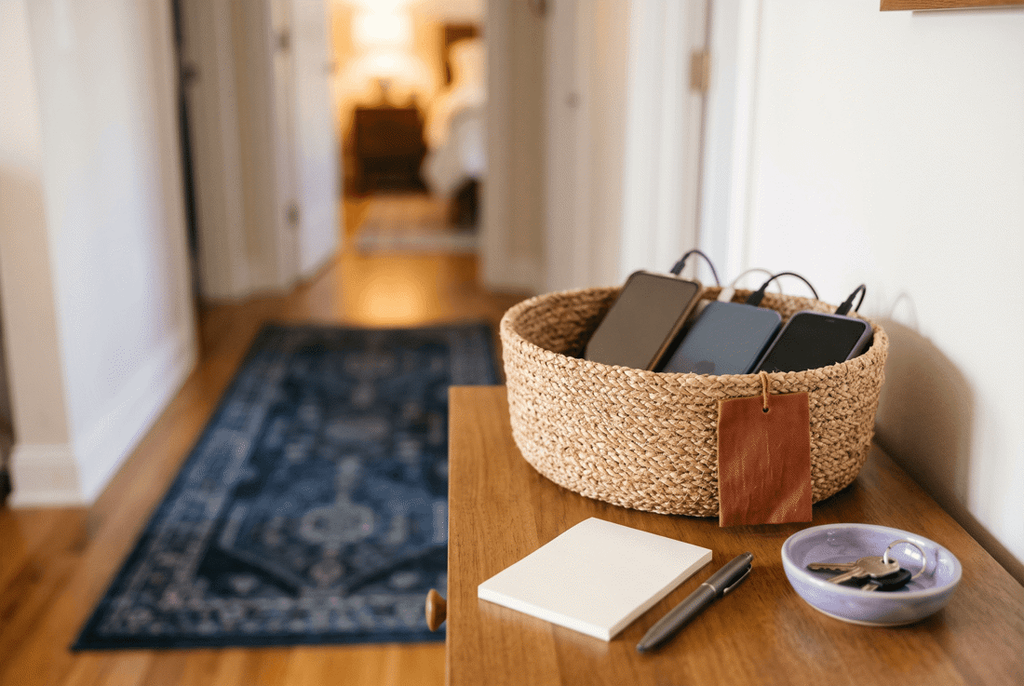
Should I keep my phone out of my bedroom?
Keeping your phone out of the bedroom is one of the simplest ways to protect your evenings and your sleep. The Sleep Foundation recommends removing electronic devices from the bedroom, and charging your phone in another room removes the temptation to scroll in bed.
A phone that sits on your nightstand practically invites a quick check before sleep and first thing in the morning. Moving it to a charging spot in the kitchen, hallway or living room breaks that habit without requiring much willpower at all.
If you use your phone as an alarm, a simple alarm clock is an easy swap. Many phones also have bedtime or do-not-disturb settings that silence notifications at a set time, which helps if you need to keep your phone nearby for family or emergencies.
A charging station can even become a cozy part of your routine. Put a small basket or tray on a side table, plug in everyone’s phones at screen-off time and let them rest there until morning.
Ideas for Giving Your Phone a Bedtime
- A charging station outside the bedroom: a basket or tray in the kitchen or hallway.
- A simple alarm clock: so you don’t need your phone by the bed.
- Bedtime or do-not-disturb mode: to silence notifications automatically.
- A family phone basket: everyone’s phones rest together.
- A paper notepad: to jot down thoughts instead of reaching for your phone.
Homey Hygge Tip
Keep a small notepad and pen where your phone used to sit. When you remember something you need to do tomorrow, write it down instead of grabbing your phone, and you’ll keep your mind clear without breaking your routine.
Dim the Lights in Stages
Gradually lowering your lights through the evening is one of the easiest ways to signal that the day is winding down. Warm, dim light feels cozy and supports your body’s natural shift toward sleep.
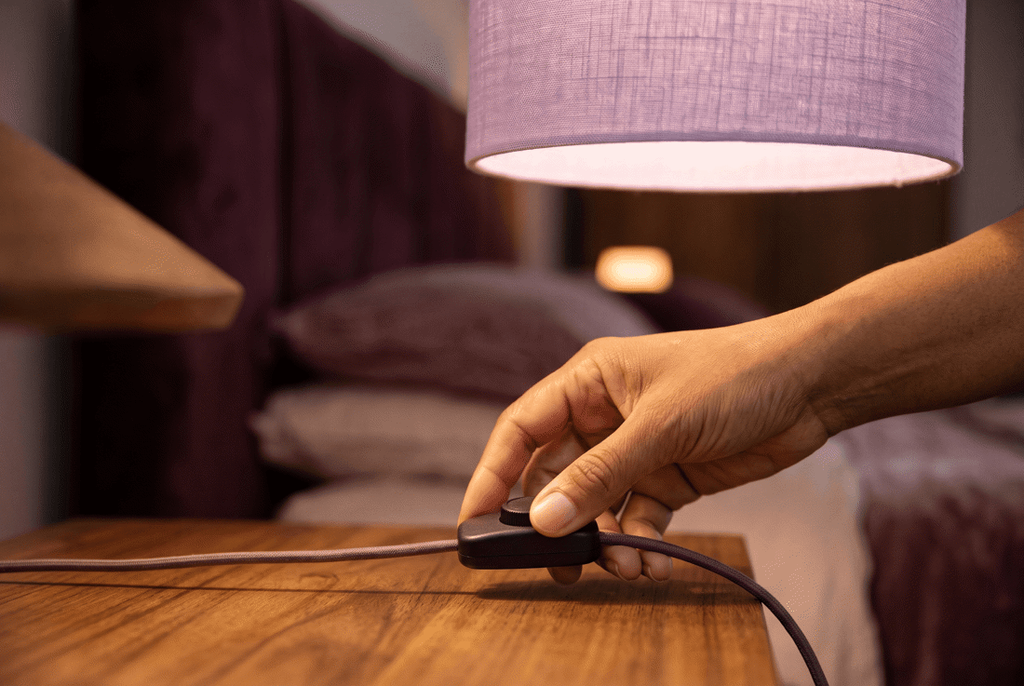
What kind of lighting is best before bed?
Dim, warm light is best in the hours before bed. The Sleep Foundation notes that bright indoor lighting can suppress melatonin, while dim light with warm tones like red, yellow and orange has little to no effect on your body clock.
Instead of switching from bright overhead lights to darkness all at once, try lowering the light in steps. Turn off the ceiling lights after dinner, switch to lamps in the living room and then soften those lamps as bedtime gets closer.
This is exactly how I use lighting at home. I rely on dimmable lamps and color-adjustable smart bulbs on side tables and nightstands, mostly in the evenings, and I lower my bedroom lamps in stages as I get ready for bed. By the time I climb in, the room is glowing softly, and my mind has already started to slow down.
Warm bulbs make a big difference too. Look for bulbs labeled around 2700K or lower for a soft, golden light. For more ideas on lighting a restful bedroom, see our guide to The Best Bedroom Lighting for Rest and Relaxation.
Ways to Dim the Lights in Stages
- Turn off overhead lights after dinner: switch to lamps.
- Use warm bulbs: around 2700K or lower for a golden glow.
- Try dimmers or smart bulbs: lower the light gradually.
- Set lamp timers: so lights soften automatically.
- Keep the bedroom dimmest: a single low lamp by bedtime.
Homey Hygge Tip
If you have smart bulbs, set a schedule that lowers their brightness and warms their color a little every half hour after dinner. The change is so gradual you’ll barely notice it, but your evening will feel calmer.
Change Into Something Cozy
Changing into soft, comfortable clothes is a simple signal that work is over and rest has begun. Cozy socks, a soft robe or your favorite loungewear instantly make an evening feel slower.

Why does changing clothes help you relax?
Changing clothes creates a clear transition between the busy part of your day and the restful part. It’s a physical cue that tells your mind you’re off duty, much like taking off your shoes when you come home.
There’s a reason cozy clothing is such a big part of hygge. Soft fabrics feel comforting against your skin, and slipping into something warm and loose makes it easier to relax on the sofa, curl up with a book or settle into a hobby.
Keep your evening clothes somewhere easy to reach, so changing becomes automatic. A basket with cozy socks, a soft sweater or a robe hanging on the back of the bedroom door makes it effortless.
A big, soft blanket completes the look. I’m 6’2″, so I keep long blankets around, at least 60 by 80 inches, so they actually cover my feet when I’m curled up on the sofa. A blanket that fits you makes evenings feel so much cozier. For more ways to warm up your home this season, see our winter hygge ideas for a cozy home.
Cozy Evening Wear Ideas
- Soft loungewear: cotton, modal or brushed fleece.
- Cozy socks: wool or fuzzy knit for cold floors.
- A soft robe: easy to slip on after a shower.
- An oversized sweater: warm and comforting.
- A long throw blanket: big enough to cover you from shoulders to toes.
Homey Hygge Recommendation
Pick one cozy piece that’s only for evenings, such as a favorite robe or a pair of thick socks. Putting it on becomes a small ritual that signals it’s time to slow down.
Make a Warm, Caffeine-Free Drink
A warm drink in your hands is one of the coziest parts of an evening routine. Herbal tea, warm milk or a caffeine-free latte gives you a reason to pause, slow down and settle in.

What should I drink before bed?
Choose warm drinks without caffeine, such as herbal teas, warm milk or a decaf latte. The Sleep Foundation recommends avoiding caffeine at least eight hours before bed, since caffeine’s effects can linger long into the evening.
Caffeine has a half-life of anywhere from 2 to 12 hours, depending on the person, so an afternoon coffee may still be affecting you at bedtime. Switching to caffeine-free drinks in the evening helps your body wind down naturally.
Making the drink can be as calming as drinking it. Boiling the kettle, choosing a mug and waiting for your tea to steep gives you a few quiet minutes to transition from the busyness of the day.
There are so many cozy options to try. Peppermint, ginger, rooibos and cinnamon-spice teas are all naturally caffeine-free, and warm milk with a pinch of cinnamon or nutmeg feels comforting on cold nights.
Cozy Caffeine-Free Drinks
- Peppermint tea: fresh and soothing.
- Ginger or cinnamon-spice tea: warm and comforting.
- Rooibos: naturally caffeine-free with a smooth flavor.
- Warm milk with spice: cinnamon, nutmeg or a little honey.
- A decaf latte: a cozy treat without the caffeine.
Homey Hygge Tip
Keep a special evening mug that you only use for your caffeine-free drink. Reaching for it becomes part of the ritual and reminds you that it’s time to slow down.
Keep Your Hands Busy With a Cozy Hobby
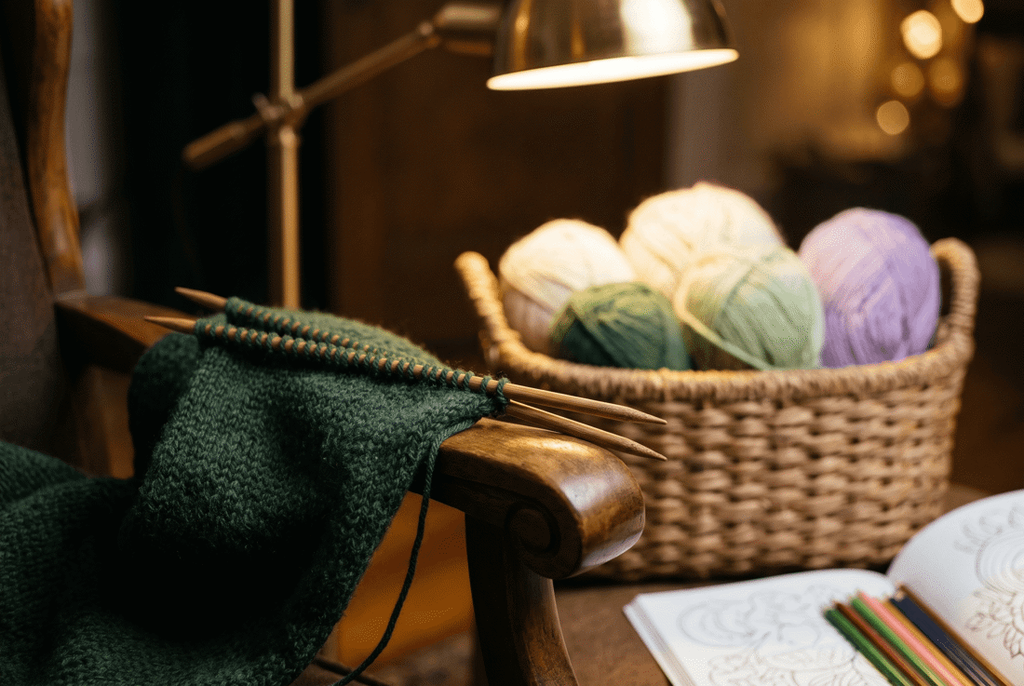
A calm, hands-on hobby fills the time screens used to take up. Coloring, knitting, puzzles or sewing give your hands something soothing to do and your mind a gentle place to rest.
What should I do instead of scrolling at night?
Try calm, hands-on activities like adult coloring, knitting or crochet, jigsaw puzzles, journaling, sewing, card games or simple paper crafts. Choose something absorbing but low-pressure, so it relaxes you instead of feeling like another task.
One reason screens are so hard to put down is that they fill every empty moment. A cozy hobby gives your hands and attention somewhere else to go, which makes the shift away from your phone feel natural instead of like something you’re giving up.
Research on crafts like knitting and coloring suggests these kinds of repetitive, creative activities can help people feel calmer. Even if the science isn’t the reason you start, the quiet satisfaction of making progress on something with your hands is its own reward.
The key is keeping your hobby ready. A basket beside your favorite seat with yarn, a coloring book or a puzzle in progress means you can pick it up the moment the screens go off, without any setup.
Cozy Evening Hobbies to Try
- Adult coloring: simple, relaxing and easy to start.
- Knitting or crochet: soothing, repetitive and productive.
- Jigsaw puzzles: absorbing and easy to share with family.
- Journaling: a quiet way to process the day.
- Card or board games: screen-free fun with the people you love.
Homey Hygge Recommendation
Keep only one evening hobby out at a time, ready in a basket by your seat. When there’s no decision to make and no setup required, picking it up becomes the easy choice.

Free 7-Day Printable
Make Your Home Feel Cozier in 7 Days
A calm, screen-free evening starts with a cozy home to enjoy it in. The free 7-Day Homey Hygge Home Reset walks you through one small, doable step a day to make your whole home feel warmer, calmer and more like you, and none of it starts with shopping.
Cozy emails, no clutter. Unsubscribe anytime.
Read Something on Paper
Reading a paper book or magazine is one of the most relaxing ways to end the day. It offers a gentle escape without the bright light, notifications and endless scrolling of a screen.

Is reading a book before bed better than using a phone?
For most people, yes. A paper book doesn’t give off blue light or send notifications, and it naturally comes to a stopping point at the end of a chapter. If you prefer an e-reader, the Sleep Foundation suggests dimming the display as much as possible.
Reading before bed is a classic part of a cozy evening for good reason. A good story draws you in and quiets the busy thoughts left over from the day, and there’s no autoplay waiting to tempt you into one more episode.
Choose books that feel comforting rather than stressful in the evening. Cozy mysteries, light novels, memoirs, poetry or a beautiful home and garden magazine are all lovely choices for the last part of the day.
A comfortable reading spot makes the habit easier. In my own reading nook, a comfy chair, a lamp, a heated blanket and the soft glow of my plant-stand light make it the coziest corner in the house. For ideas on creating your own, see our guide to How to Create a Cozy Reading Nook in Any Space.
Easy Ways to Read More in the Evening
- Keep a book by your seat or bed: always within reach.
- Use a warm reading lamp: bright enough to read, soft enough to relax.
- Choose comfort reads: gentle stories for the end of the day.
- Try the library: free books and magazines to keep things fresh.
- Read one chapter at a time: a natural stopping point.
Homey Hygge Tip
Swap your phone for a book on your nightstand tonight. When the book is the easiest thing to reach, you’ll find yourself reading a few pages instead of scrolling.
Add Gentle Scent and Soft Sound
Gentle scent and soft sound can turn a quiet evening into a calming ritual. A favorite fragrance and some relaxing music or simple silence help your senses settle as the day winds down.
What scents are good for a cozy evening?
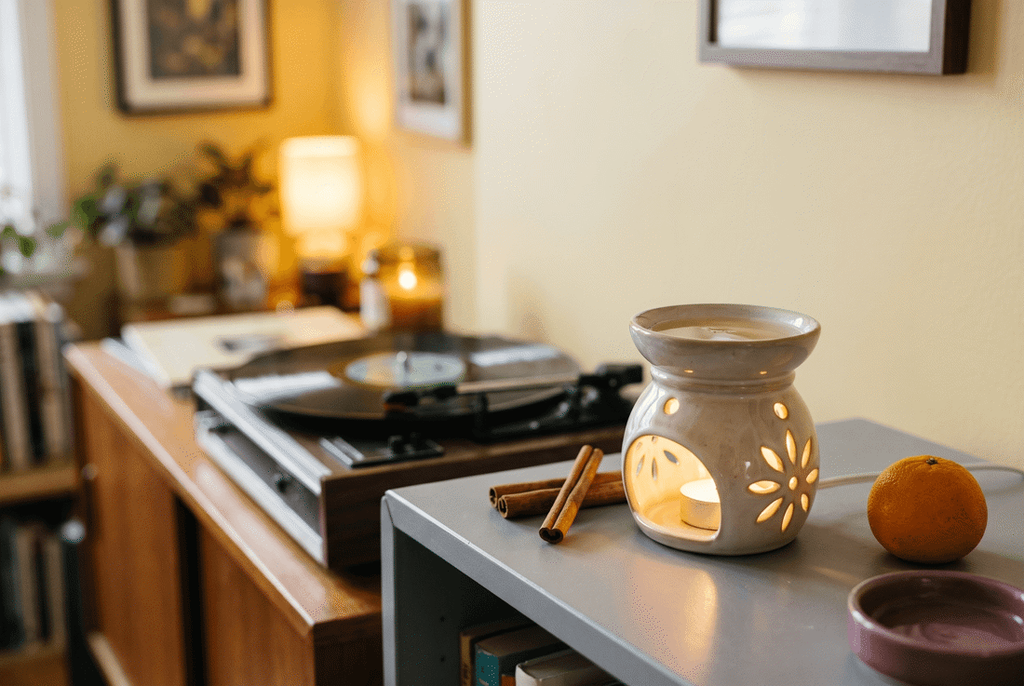
Cozy evening scents are often warm and comforting, like cinnamon, vanilla, cedarwood, orange, clove or sandalwood. Choose scents you genuinely love, since a fragrance you find pleasant will be the most relaxing.
Scent has a way of setting the mood almost instantly. Candles are the traditional way to fill a home with fragrance and a soft glow, and they’re famously associated with hygge. I’m allergic to traditional candles, though, so I’ve been exploring wax melts and diffusers instead, and I tend to stick with citrus, woodsy and spice scents rather than florals.
If you do use candles, the National Fire Protection Association recommends keeping them at least 12 inches from anything that can burn and blowing them out before you leave the room or go to sleep. Flameless candles and diffusers are easy alternatives that give you the same cozy mood.
Sound matters too. Soft instrumental music, a favorite album, the crackle of a fireplace or simple quiet can all help you relax. If you play music from a device, start the playlist before your screen-off time and set the phone face down, out of reach.
Ways to Add Scent and Sound
- Wax melts or a diffuser: cozy fragrance without an open flame.
- Flameless candles: the glow of candlelight, safely.
- Warm, spicy or woodsy scents: cinnamon, cedar or orange.
- Soft music or a record: gentle sound in the background.
- Quiet: sometimes silence is the coziest sound of all.
Homey Hygge Recommendation
Choose one signature evening scent and use it only during your wind-down time. Over time, that fragrance becomes a cue that tells your mind it’s time to relax.
Close the Day With a Simple Reset
A short evening reset helps you let go of the day and wake up to a calmer tomorrow. A quick tidy, a few lines in a journal and a plan for the morning are all it takes.
What should a nighttime routine include?
A calming nighttime routine might include a screen-off time, dimmed lights, comfortable clothes, a warm caffeine-free drink, a relaxing activity, a quick tidy and a few minutes of reflection. Keeping the steps simple and consistent makes the routine easier to follow.
A messy kitchen or a long to-do list can follow you to bed. Spending ten minutes putting things back in place, wiping the counter and fluffing the sofa pillows means you wake up to a calm, welcoming home instead of yesterday’s leftovers.
Writing things down helps too. Jotting a few notes about tomorrow gets those thoughts out of your head, and listing a few good moments from the day helps you end on a positive note.
Keep the reset short and gentle. This isn’t a deep clean or a planning session, just a few small steps that close the day with a sense of calm. Before you climb into bed, take a few slow, deep breaths and make sure the bedroom feels cool and comfortable, since a slightly cooler room tends to feel best for sleep.
Simple Evening Reset Ideas
- A ten-minute tidy: dishes done, pillows fluffed, clutter cleared.
- Lay out tomorrow’s things: clothes, bag or lunch.
- Write a short to-do list: so your mind can let go.
- Note three good things: a quick gratitude practice.
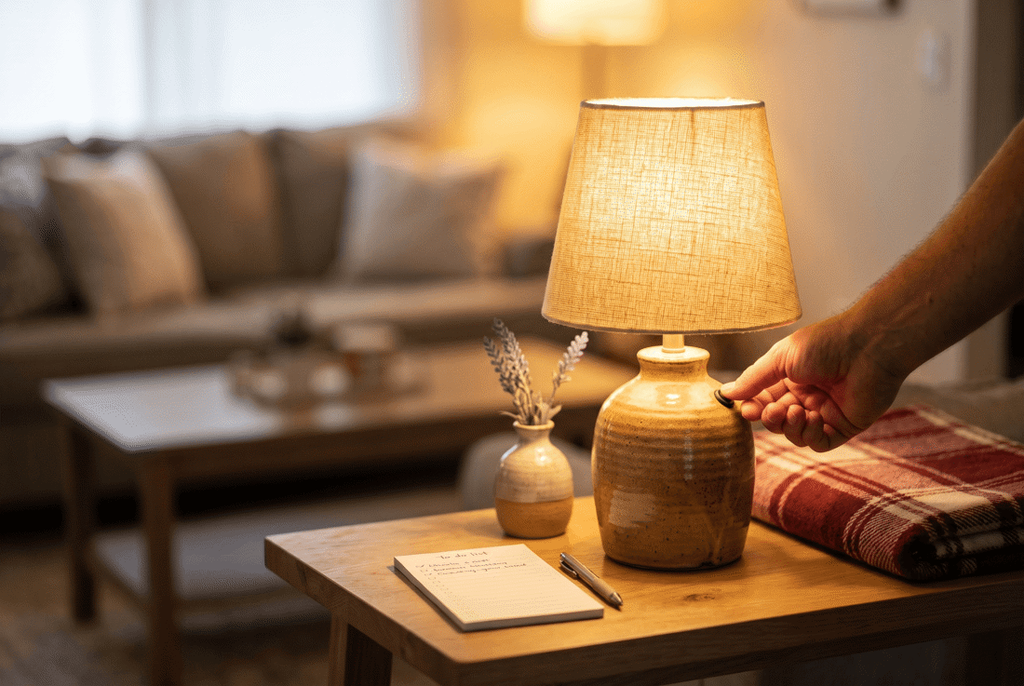
- Turn off the last lamp: the final cue that the day is done.
Homey Hygge Tip
Make turning off your last lamp the very final step of your routine. That one small, deliberate moment becomes a gentle signal that the day is officially over.
Frequently Asked Questions About a Technology-Free Evening Routine
What is a technology-free evening routine?
A technology-free evening routine is a set of screen-free habits you follow at the end of the day to wind down, such as putting your phone away, dimming the lights, drinking something warm and reading or enjoying a calm hobby before bed.
How long before bed should I turn off screens?
Many sleep experts recommend turning off screens about an hour before bed. If that feels like a big change, start with 30 minutes and gradually make it longer.
What can I do instead of scrolling at night?
Try reading a paper book, coloring, knitting, journaling, working on a puzzle, playing a card game or simply enjoying a cup of tea in a quiet, softly lit room.
Does dim lighting help you sleep?
Dim, warm lighting can help your body prepare for sleep. Bright indoor light can suppress melatonin, while softer light in warm tones has much less effect on your body’s natural sleep signals.
Should I charge my phone outside my bedroom?
Charging your phone in another room is one of the easiest ways to avoid late-night scrolling. A simple alarm clock can replace your phone’s alarm if you rely on it to wake up.
How do I create an evening routine?
Start by choosing a screen-off time about an hour before bed, then add two or three calming steps, like dimming the lights, making a warm drink and reading. Repeat them in the same order most nights, and add more steps once they feel natural.
Make Your Evenings Feel Like Yours Again
A technology-free evening routine isn’t about giving things up. It’s about making room for the small, cozy moments that screens tend to crowd out, like a warm drink, a good book, a few rows of knitting or a quiet conversation.
Start with one or two steps tonight. Put your phone in another room, switch on a lamp and pour something warm. Over time, those small habits add up to evenings that feel calmer, cozier and truly your own.
Continue Creating Your Homey Hygge Home
Soft, warm light is the heart of a restful evening. Learn how to create it in The Best Bedroom Lighting for Rest and Relaxation.