
Adult coloring is a relaxing, screen-free hobby that lets you slow down, focus on something simple and add a little color to your evenings. All you need is a design you like, a few colored pencils or pens and a comfortable spot to settle in, and you don’t need any artistic skill to enjoy it.
Coloring has stayed popular with grown-ups for a good reason. It gives your hands something gentle to do and your mind a single, calm task, which is exactly what many of us need after a day of screens, notifications and to-do lists. Researchers have even studied how coloring affects stress, and some of the results are encouraging.
The Homey Hygge approach is to treat coloring as a cozy ritual, not a project you have to finish or perfect. This guide walks through ten ways to enjoy adult coloring, from choosing designs and supplies to picking a color palette, creating a cozy coloring spot and sharing the hobby with people you love.
TL;DR: Adult Coloring as a Cozy, Screen-Free Hobby
Adult coloring is a simple, relaxing hobby that helps many people unwind, and structured designs like mandalas and patterns seem especially calming. Choose designs that match your mood, gather a small kit of colored pencils, gel pens or markers, and pick the right paper so colors don’t bleed. Start with a small color palette, learn a few layering and blending techniques, and turn coloring into a mindful evening ritual in a cozy spot with good light. Color with friends or family, and display or reuse your finished pages so the hobby adds warmth to your home, too.
10 Ways to Enjoy Adult Coloring at Home
You don’t have to try all ten at once. Start with a design you love and a few colors, then add more ideas as coloring becomes part of your evenings.
Adult Coloring Ideas at a Glance
- Know why coloring feels so calming.
- Choose designs that match your mood.
- Gather a simple coloring kit.
- Pick the right paper.
- Start with a small color palette.
- Learn layering and blending.
- Make coloring a mindful ritual.
- Create a cozy coloring spot.
- Color with others.
- Display and reuse your finished pages.
Know Why Coloring Feels So Calming
Coloring gives your hands a gentle, repetitive task and your mind a single thing to focus on, which can help quiet a busy day. Research suggests structured designs like mandalas and patterns may be especially good at easing anxiety.
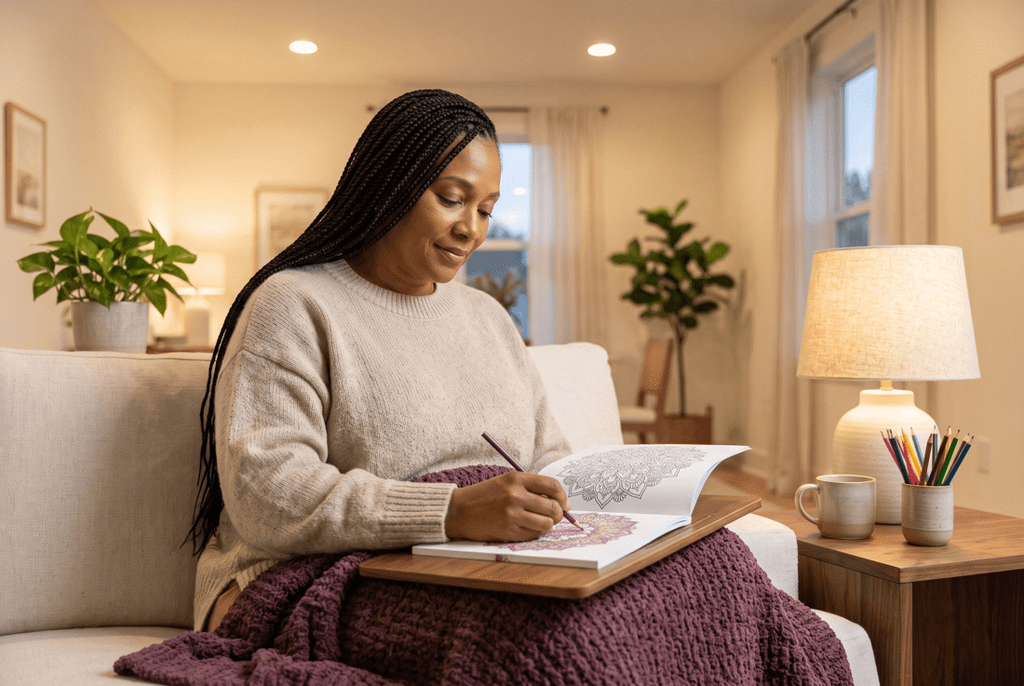
Does adult coloring really reduce stress?
Several studies suggest it can. In a 2005 study by Nancy Curry and Tim Kasser at Knox College, students who spent 20 minutes coloring a mandala or plaid design reported lower anxiety, while those who drew freely on a blank page did not, and a 2012 study replicated the mandala result.
The researchers suggested that structured designs help by giving you a clear, calming task, so your attention settles on lines and color instead of worries. Free drawing, by comparison, asks you to make a lot of decisions, which can feel more demanding when you’re already tired.
It’s worth knowing that the research isn’t completely unanimous. Some studies have found smaller or mixed effects, and a 2018 study found that adding simple mindfulness guidance to coloring helped reduce anxiety more than coloring alone. Coloring isn’t a cure for anything, but as a cozy way to unwind, it has a lot going for it.
Part of the appeal is simply that coloring is low pressure. There’s no wrong answer, no deadline and no need for talent, so you can enjoy the process without worrying about the result. A page that took you three evenings is still a page you made.
Why Coloring Can Feel Relaxing
- A single focus: your attention settles on one gentle task.
- Structure: the lines do the hard work, so you get to enjoy the color.
- Repetition: small, steady strokes can feel soothing.
- Low pressure: there’s no wrong way to color a page.
- Screen-free time: a break from notifications and scrolling.
Homey Hygge Tip
Try a 20-minute coloring break the next time you feel frazzled in the evening. Set a gentle timer, pick a simple pattern and notice how you feel when it goes off.
Choose Designs That Match Your Mood
The right coloring design depends on how much focus you have. Bold, simple pages suit tired evenings, while detailed patterns are wonderful when you want something absorbing to sink into.
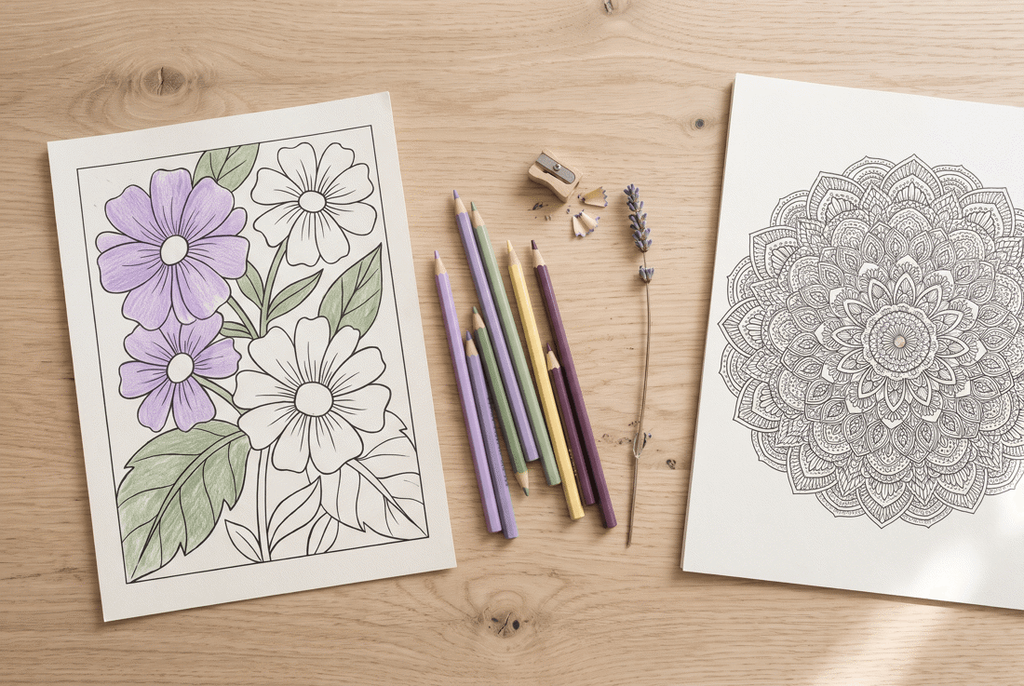
What kind of coloring pages are best for beginners?
Start with designs that have medium-sized spaces and clear lines, such as simple florals, cozy home scenes or easy patterns. Very tiny, intricate sections can feel frustrating at first, so save those for when you’re more comfortable.
Adult coloring designs come in almost every style you can imagine, including mandalas, florals, animals, cozy interiors, seasonal scenes, quotes and abstract patterns. Choosing one that matches your energy makes coloring feel restful rather than like a chore.
On a tired weeknight, a bold, simple design with larger shapes is perfect, because you can fill it in quickly and enjoy the color without straining your eyes. On a slow Sunday afternoon, an intricate mandala or detailed scene can absorb you for hours.
Seasonal pages are another lovely option. Coloring snowy cottages in winter, blooming gardens in spring or pumpkins and leaves in fall connects the hobby to the rhythm of the year, and the finished pages make sweet seasonal decor.
Coloring Designs to Try
- Simple florals: friendly shapes for beginners.
- Cozy home scenes: reading nooks, kitchens and windows.
- Mandalas and patterns: structured and especially calming.
- Seasonal designs: snowflakes, gardens, pumpkins and holidays.
- Bold, easy pages: large shapes for tired evenings.
Homey Hygge Recommendation
Keep two kinds of designs on hand, one simple and one detailed. Before you start, ask yourself how much focus you have tonight, and pick the page that fits.
Gather a Simple Coloring Kit
You don’t need an expensive art set to enjoy coloring. A good set of colored pencils, a few gel pens or markers, a sharpener and a pouch to keep it all together are plenty to start.
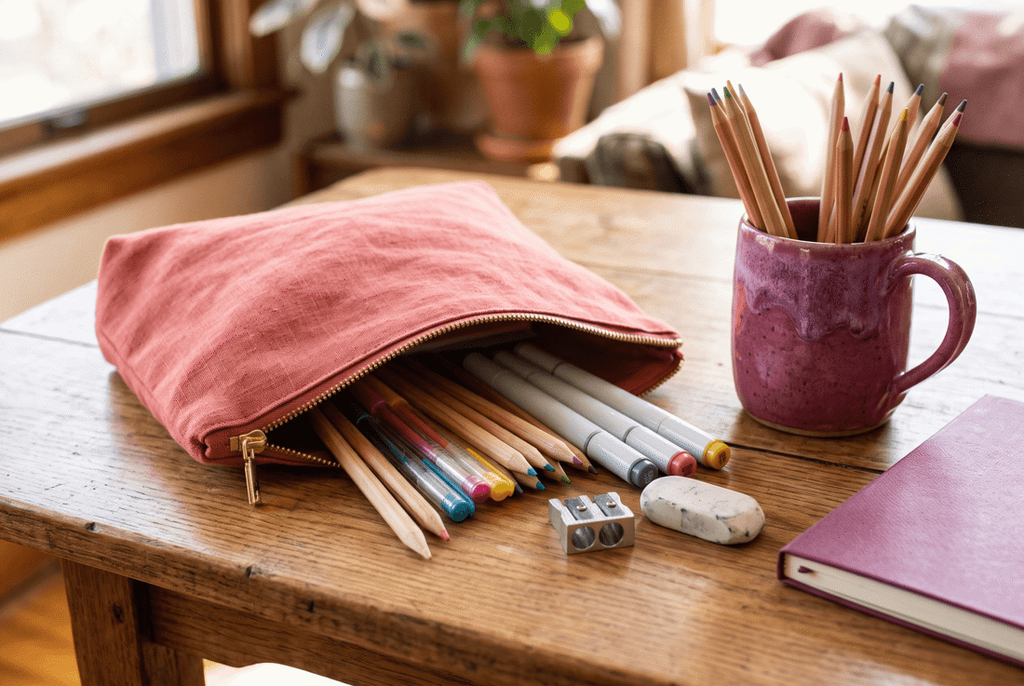
What do you need to start adult coloring?
A coloring book or printable page, a set of colored pencils and a sharpener are all you truly need. Gel pens and markers are fun additions, but colored pencils are the most forgiving place to begin because they’re easy to layer and blend.
Colored pencils are the classic coloring tool for good reason. They give you a lot of control, they layer and blend well, and they’re easy to correct if you change your mind. Many coloring artists recommend keeping a sharp point and building color in light layers.
Gel pens add bright, smooth color and sparkly details, while markers give bold, saturated results quickly. Alcohol-based markers blend beautifully but can bleed through thinner paper, so it’s a good idea to slip a spare sheet behind your page when you use them.
A small kit you can grab and carry makes coloring easy to start anywhere in the house. A zip pouch, a mug or a small caddy keeps everything together, so you’re never hunting for a sharpener when you finally have a few quiet minutes.
A Simple Coloring Kit
- Colored pencils: forgiving, blendable and easy to control.
- Gel pens: for bright details and a little sparkle.
- Markers: bold color for quick, vibrant pages.
- A sharpener and eraser: small but essential.
- A pouch, mug or caddy: to keep everything together and portable.
Homey Hygge Tip
Start with a modest set of pencils you enjoy using rather than the biggest box you can find. A smaller collection makes choosing colors easier and more relaxing, and you can always add favorites later.
Pick the Right Paper
Paper makes a bigger difference than most people expect. The right paper keeps markers from bleeding, lets colored pencils layer smoothly and makes your finished page look and feel special.
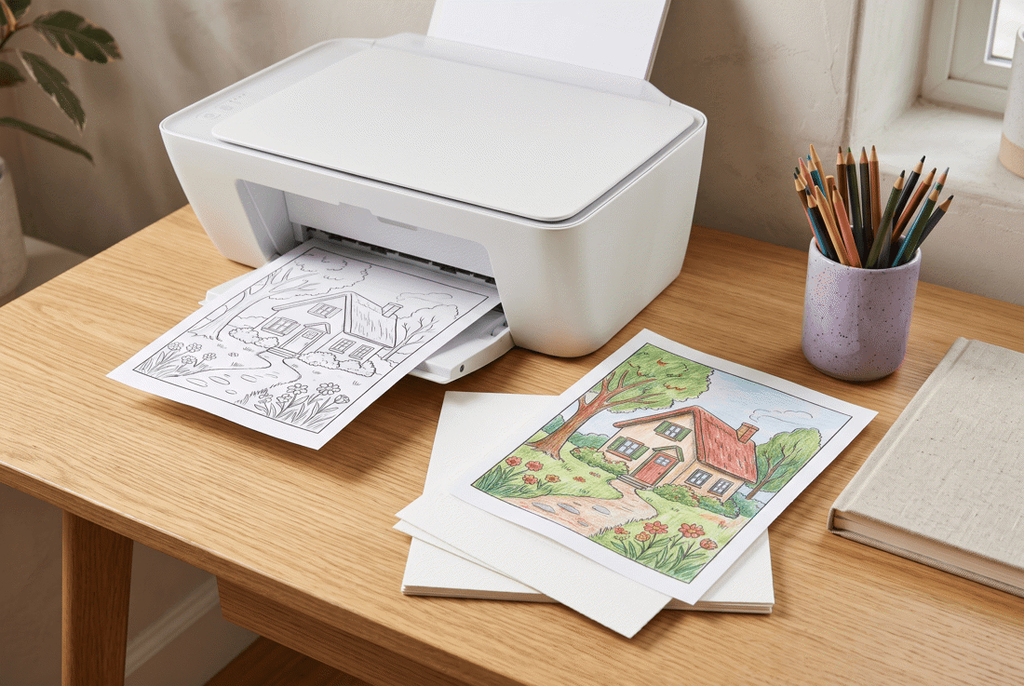
What paper should I use for printable coloring pages?
Regular printer paper works fine for colored pencils, but markers tend to bleed through it. Many coloring guides suggest a heavier cardstock, often 65 lb or more, if you plan to use markers or want a sturdier page you can frame or display.
Coloring books vary a lot in paper quality. Books printed on thick, single-sided pages are the easiest to enjoy, because markers won’t ruin the design on the back and you can tear out finished pages without losing anything.
Printable coloring pages give you even more flexibility. You can print a design on whatever paper suits your tools, print your favorite page more than once to try different color combinations, and keep a fresh copy for the next time you want to color it. A slightly textured paper helps colored pencils grip, while a smoother paper is better for markers and gel pens.
Whatever you use, a spare sheet tucked behind your page protects the next design and your table from any marker ink that seeps through. It’s a small habit that saves a lot of disappointment.
Paper Tips for Coloring
- Single-sided coloring books: no ruined pages on the back.
- Printer paper: fine for colored pencils and quick practice.
- Cardstock: sturdier pages that handle markers better.
- Slightly textured paper: helps colored pencils layer.
- A spare sheet behind your page: catches marker bleed.
Homey Hygge Tip
If you love a printable design, print two copies. Color one in your favorite palette and save the other to try something completely different later.
Start With a Small Color Palette
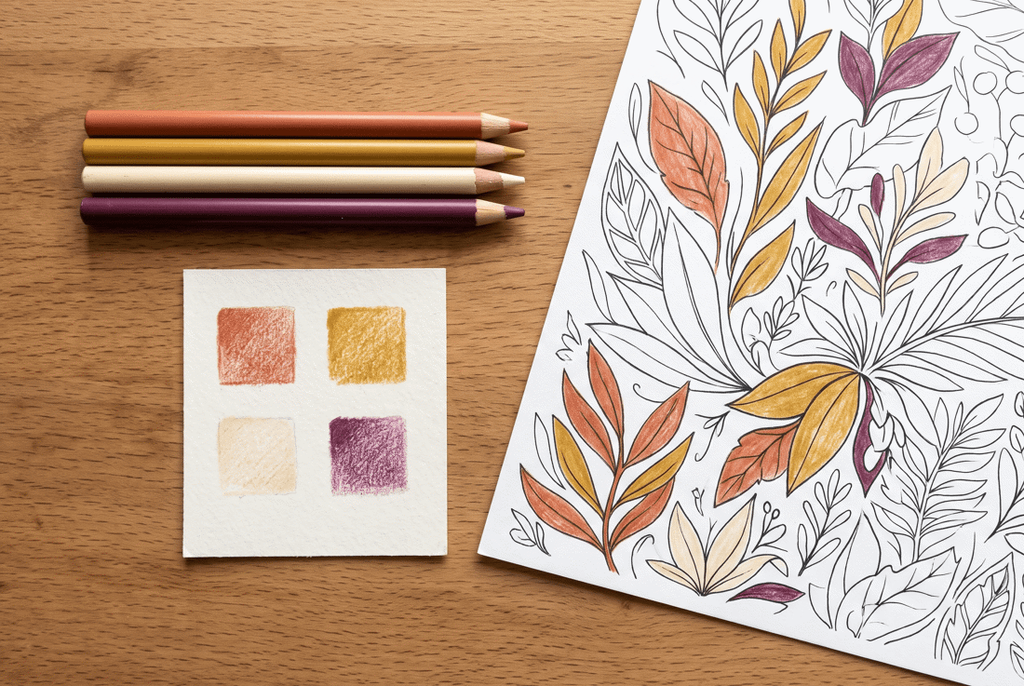
Choosing a small palette of three to five colors before you begin makes coloring more relaxing and your finished page more pulled together. It also takes the pressure off deciding on every single shape.
How do I choose colors for a coloring page?
Pick three to five colors that look good together, such as one main color, one or two supporting shades and an accent. Testing them on a scrap of paper first shows you how they’ll look side by side before you commit.
A giant box of pencils can feel exciting, but it can also make every decision harder. Limiting yourself to a handful of colors keeps your mind relaxed and gives the finished page a calm, harmonious look, much like a well-chosen color palette does in a room.
This is where coloring and decorating overlap beautifully. I’m drawn to plums and lavenders, so those show up in my favorite pages, but you might love sage and terracotta, navy and rust or soft pastels. For ideas on colors that feel cozy together, see our guide to The Best Hygge Color Palettes for a Cozy Home.
Try coloring the same design in two different palettes and see how much the mood changes. A page in warm golds and berries feels completely different from the same page in cool blues and greens.
Easy Coloring Palette Ideas
- Plum and lavender with soft gold: rich and cozy.
- Sage and terracotta with cream: earthy and calm.
- Navy and rust with warm tan: classic and warm.
- Blush, mint and butter yellow: light and cheerful.
- Berry, coral and soft pink: bright and welcoming.
Homey Hygge Recommendation
Make a swatch card for your favorite palettes by coloring small squares of each color on a scrap of paper. Keep it in your coloring pouch so choosing colors becomes quick and easy.
Learn Layering and Blending
A few simple techniques can make your coloring pages look richer and smoother. Layering light colors first, blending gently and adding highlights at the end make a big difference without any formal art training.
How do you blend colored pencils for a smooth look?
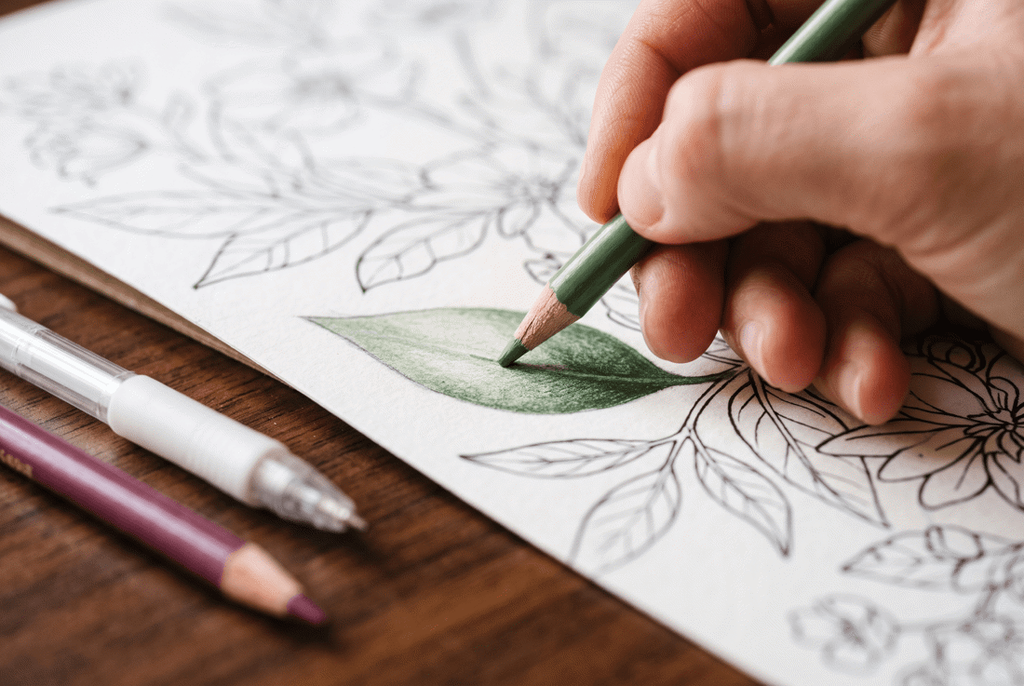
Color in light layers with gentle pressure, building from lighter shades to darker ones. When you’re happy with the color, you can press a little harder with the same pencils to smooth the layers together, a technique called burnishing.
Most beginners press too hard at the start, which flattens the paper and makes it difficult to add more color. Light, even strokes let you build color gradually and blend shades together, giving your page depth and a softer finish.
Shading is easier than it sounds. Decide where the light is coming from, keep that side lighter and add a slightly darker shade on the opposite side of each shape. Even this small step makes flowers, leaves and objects look rounder and more lifelike.
Finish with a few highlights. A white gel pen adds tiny dots or lines of light to petals, windows and ornaments, and it’s one of the easiest ways to make a page feel finished.
Coloring Techniques to Try
- Light layers: gentle pressure that builds color gradually.
- Light to dark: start with lighter shades and deepen slowly.
- Simple shading: a darker shade on one side of each shape.
- Burnishing: firmer pressure at the end to smooth layers.
- Gel pen highlights: tiny white touches that bring a page to life.
Homey Hygge Tip
Practice on a small corner of the page or a scrap before working on the main design. A few minutes of experimenting builds confidence and keeps coloring relaxing instead of stressful.
Make Coloring a Mindful Ritual
Coloring feels most restful when you treat it as a small ritual rather than a task to finish. Setting the mood, putting your phone away and paying attention to each stroke turns a few minutes of coloring into a real break.
What is mindful coloring?
Mindful coloring means paying gentle attention to what you’re doing while you color, such as the feel of the pencil, the colors you choose and your breathing. A 2018 study found that coloring with simple mindfulness guidance reduced anxiety more than coloring without it.
It’s easy to color while half-watching a show and scrolling your phone, and that’s fine sometimes. But when you want coloring to feel truly calming, giving it your full attention makes a difference. Notice how the colors look as they layer, how the pencil sounds on the paper and how your shoulders feel as you settle in.
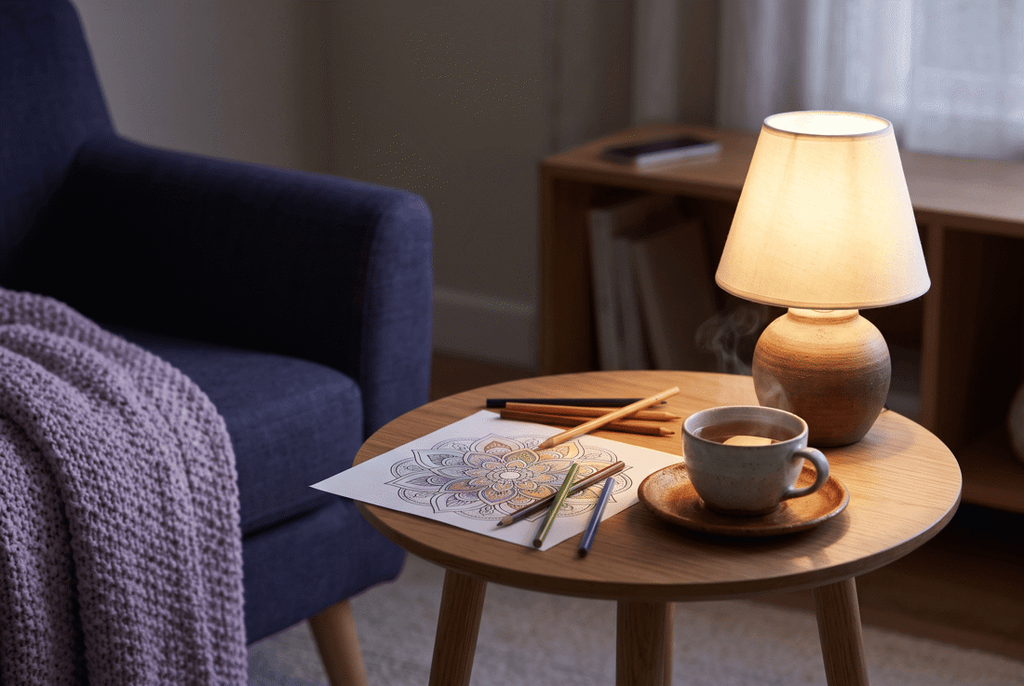
A few small cues help your mind recognize coloring time. Turn on a warm lamp, make a cup of tea, put on quiet music and set your phone in another room. Over time, those cues become part of the ritual and make it easier to slow down.
You don’t need a long stretch of time. Even ten or fifteen minutes of focused, unhurried coloring can feel like a reset at the end of a busy day.
Ways to Make Coloring Mindful
- Set the mood: a warm lamp, soft music and a hot drink.
- Put your phone away: in another room or on silent.
- Slow your strokes: notice the color building on the page.
- Breathe: take a few slow breaths before you start.
- Let go of finishing: stop when it feels good, not when the page is done.
Homey Hygge Recommendation
Pick one evening a week as your coloring night. Light the lamp, make your favorite drink and color for as long as it feels good. Having a set night makes it something to look forward to.
Free 7-Day Printable
Make Your Home Feel Cozier in 7 Days
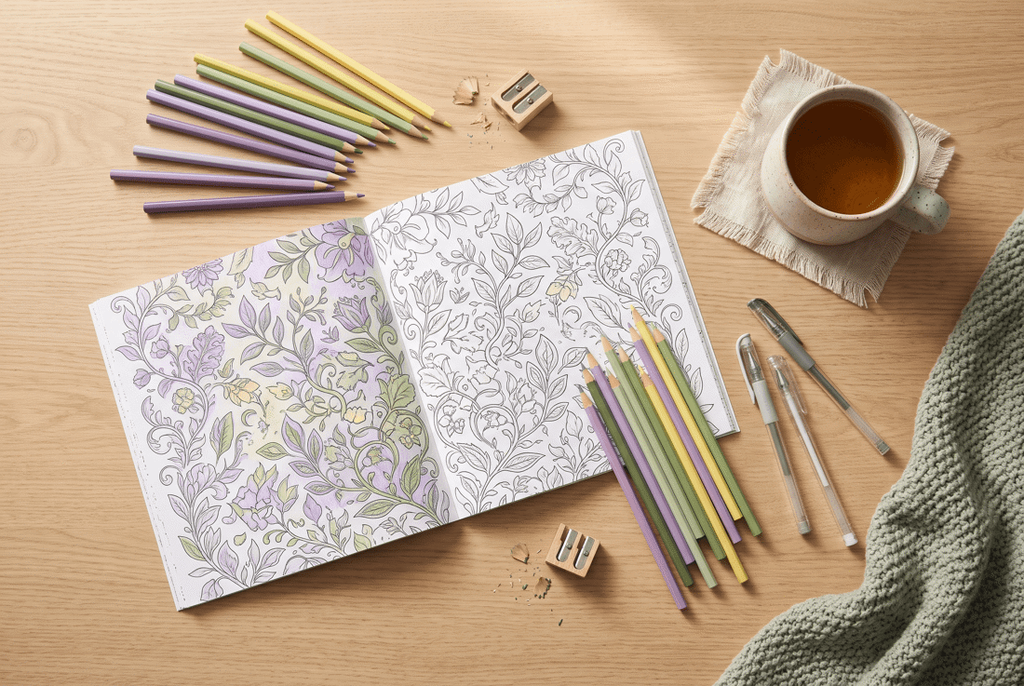
A colorful page and a quiet evening are a lovely place to start. The free 7-Day Homey Hygge Home Reset walks you through one small, doable step a day to make your whole home feel warmer, calmer and more like you, and none of it starts with shopping.
Cozy emails, no clutter. Unsubscribe anytime.
Create a Cozy Coloring Spot
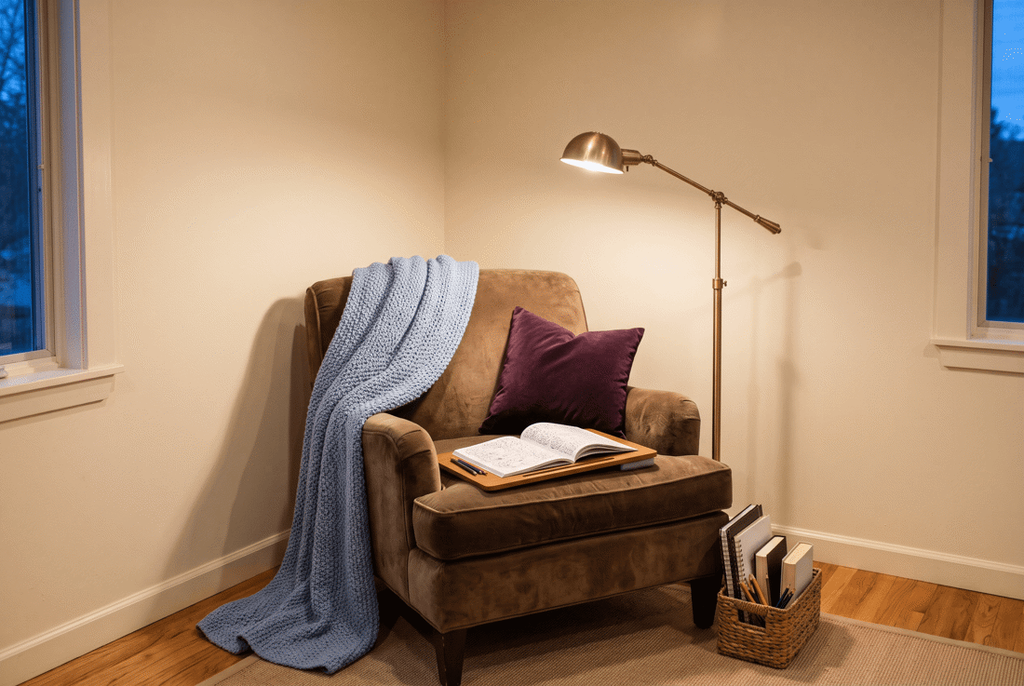
A dedicated coloring spot with good light, a comfortable seat and your supplies within reach makes it easy to pick up your pencils whenever you have a few quiet minutes.
What is the best lighting for coloring?
A lamp you can position near your page is ideal, because it lets you see colors and fine details clearly without straining your eyes. Choose a warm, adjustable lamp so you can brighten it while you color and soften it as you wind down.
You don’t need a craft room to have a coloring spot. A favorite armchair with a side table, a corner of the sofa or the kitchen table after dinner can all work beautifully, as long as you have good light and somewhere to set your supplies.
Lighting matters more than you might think for coloring. Dim light makes colors harder to tell apart and can leave your eyes tired, so a lamp aimed toward your page is worth adding. For more ideas on lighting cozy corners, see our guide to Hygge Lighting: How to Create a Warm, Cozy Glow at Home.
A lap desk or a firm tray gives you a smooth surface when you color on the sofa or in bed, and a small caddy or basket keeps pencils, pens and books together so you can tidy up in seconds.
Coloring Spot Essentials
- A comfortable seat: a chair or sofa corner you love.
- An adjustable lamp: warm light aimed toward your page.
- A lap desk or tray: a smooth surface anywhere you sit.
- A caddy or basket: to keep supplies together.
- A soft throw: because coloring is cozier under a blanket.
Homey Hygge Tip
Keep your coloring basket beside your favorite seat instead of tucked away in a closet. When your supplies are always within reach, you’ll color far more often.
Color With Others
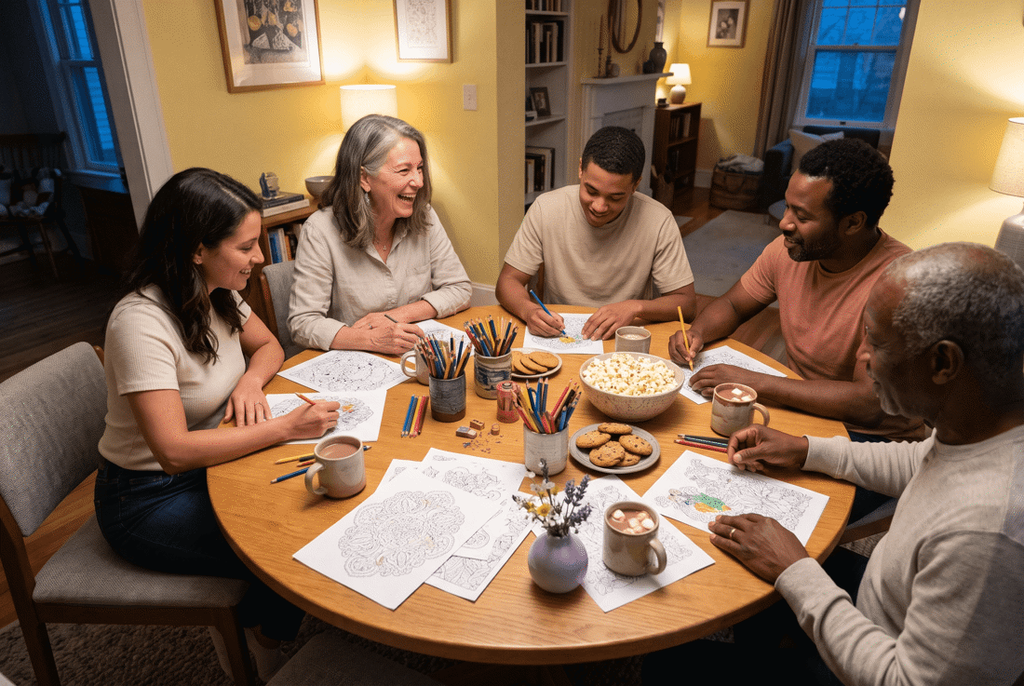
Coloring doesn’t have to be a solo hobby. Coloring with friends, family, kids or grandkids turns it into a relaxed, screen-free way to spend time together.
Is coloring a good group activity?
Yes. Coloring is easy for all ages and skill levels, so everyone can join in at the same table. It also leaves plenty of room for conversation, which makes it a lovely alternative to watching a movie or scrolling side by side.
A coloring night with friends is one of the coziest ways to gather. Set out a stack of designs, a few shared pencil sets and some snacks, and let the conversation flow while everyone colors. It feels relaxed and creative, with none of the pressure of hosting a formal dinner.
Coloring is also wonderful for multigenerational time. Grown-ups, kids and grandparents can all color together, each with a design that suits their age, and the finished pages make sweet keepsakes or fridge art.
Activity books with mazes, word searches and simple puzzles alongside coloring pages add variety to a family evening and keep everyone engaged a little longer.
Coloring Night Ideas
- A stack of designs: something for every taste and skill level.
- Shared supplies: a few pencil sets and gel pens in the middle of the table.
- Cozy snacks: cookies, popcorn and hot cocoa.
- Soft music: a relaxed playlist in the background.
- A theme: seasonal pages or a shared palette everyone uses.
Homey Hygge Recommendation
Invite one friend over for a simple coloring evening. Print the same design for both of you, color it in different palettes and compare at the end. It’s a surprisingly fun way to see how differently people see color.
Display and Reuse Your Finished Pages
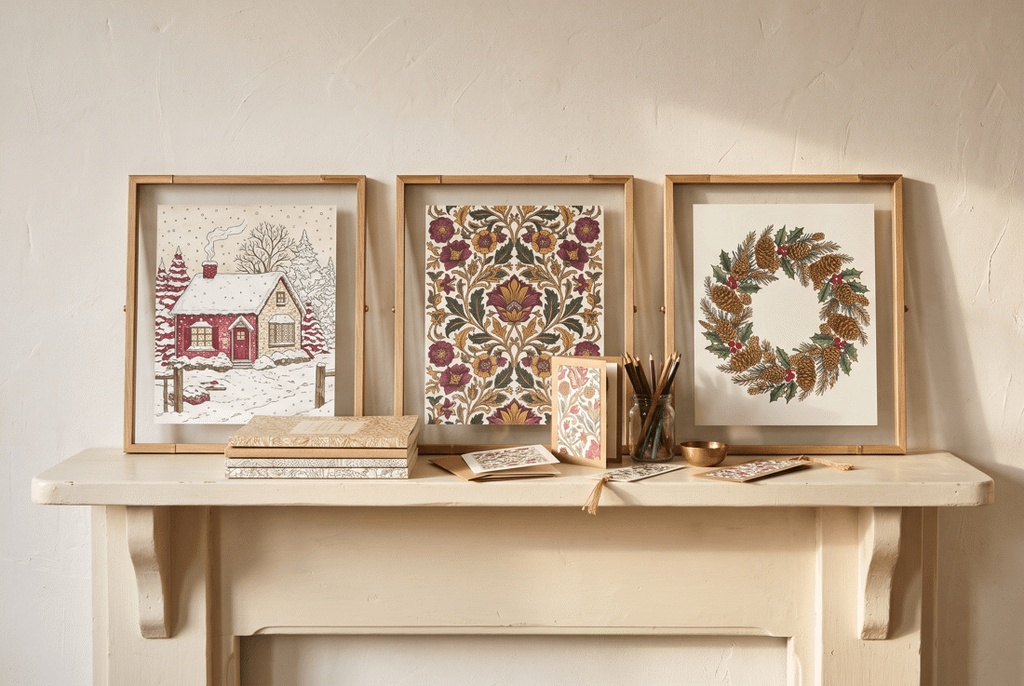
Finished coloring pages don’t have to live in a drawer. Framing your favorites, turning them into cards or using them as seasonal decor lets your hobby add warmth and color to your home.
What can I do with finished coloring pages?
Frame your favorites, turn them into greeting cards, gift tags or bookmarks, or use seasonal pages as simple decor. Keeping the rest in a binder or folder also makes a lovely record of your coloring over time.
There’s something special about seeing a page you colored on display. A simple frame on a shelf, a clipboard on the wall or a small gallery of seasonal pages adds a personal, handmade touch that no store-bought print can match.
Finished pages are also easy to give away. Cut them into bookmarks, fold them into cards or wrap a small gift in a colorful page, and someone will know you made it just for them.
If you color often, keep your favorite pages in a binder or folder. Flipping through them later is a sweet reminder of quiet evenings, seasons and the colors you were drawn to at different times.
Ways to Use Finished Pages
- Frame them: a simple frame on a shelf or wall.
- Make cards: fold a page in half for a one-of-a-kind greeting.
- Cut bookmarks: strips of colorful detail for your reading.
- Use as gift tags or wrap: small, personal touches for presents.
- Keep a binder: a colorful record of your coloring over time.
Homey Hygge Tip
Swap your framed coloring page with the seasons. A snowy scene in winter, a garden in spring and autumn leaves in fall keep a little corner of your home changing all year.
Frequently Asked Questions About Adult Coloring
How do I start adult coloring?
Start with a coloring book or printable page you love, a set of colored pencils and a comfortable spot with good light. Choose a simple design, pick three to five colors and color for 15 or 20 minutes without worrying about finishing the page.
Is adult coloring good for relaxation?
Many people find it relaxing, and some research supports that. Studies of structured coloring, like mandalas and patterns, have found reductions in anxiety after about 20 minutes, though results vary from study to study.
Should I use markers or colored pencils for adult coloring?
Colored pencils are the best place for most beginners to start, because they’re easy to control, forgiving and simple to layer and blend. Markers give bold, vivid color quickly but can bleed through thin paper, so many people enjoy using both.
Do I need special paper for adult coloring?
Not necessarily. Regular printer paper works for colored pencils, but markers can bleed through. A heavier cardstock or a coloring book with thick, single-sided pages is better if you use markers.
How long does adult coloring take?
A simple page might take one evening, while a detailed design can take several sessions. You don’t need to finish in one sitting, and even 10 to 20 minutes of coloring can feel calming.
What kind of coloring pages are most calming?
Structured designs like mandalas and repeating patterns seem to be especially calming for many people, because the lines give you a clear, simple task. Cozy scenes and florals are lovely too, so choose what you enjoy most.
Is adult coloring worth it?
For many people, yes. Adult coloring is affordable, easy to start and needs no artistic skill, and it offers a relaxing, screen-free way to unwind that you can enjoy alone or with friends and family.
Add a Little Color to Your Evenings
Adult coloring is one of the simplest ways to slow down at home. A favorite design, a few pencils and a warm lamp are all it takes to turn a regular evening into a quiet, creative ritual.
You don’t need talent or expensive supplies, and you don’t need to finish every page. Choose colors you love, color for as long as it feels good and let the hobby become a small, cozy part of your week.
Continue Creating Your Homey Hygge Home
Looking for more ways to slow down at home? Explore more ideas in Cozy Hobbies for Homebodies: Screen-Free Ways to Slow Down.