
Layering blankets and pillows is one of the fastest ways to make a home feel warm, soft and welcoming. A good throw on the sofa and a couple of pillows that actually support your back can change how a room feels before you buy a single piece of furniture.
The trick is that layering only works when it’s practical. A sofa so buried in pillows that sitting down becomes a small excavation project isn’t cozy. Neither is a basket of blankets nobody can reach, or a throw that’s too short to cover your feet.
The Homey Hygge approach is simple: put comfort where you actually sit, read, nap and gather, then make it look good. This guide walks through sizes, materials, simple arrangements and storage, so every layer in your home earns its place and gets used.
TL;DR: How to Layer Blankets and Pillows for a Cozy Hygge Home
Start with the spots where your family actually gets comfortable, then give each one a throw that’s long enough for the people using it. Keep a small wardrobe of light, medium and heavy blankets, and style them so they’re easy to grab. Choose pillow sizes that fit your seats, use inserts about 2 inches larger than the covers, and arrange them with a simple formula that leaves room to sit. Mix one larger pattern, one smaller pattern and a few textures, carry the layers into chairs, nooks and beds, and give everything a home for when it’s not in use.
10 Ways to Layer Blankets and Pillows for a Cozy Hygge Home
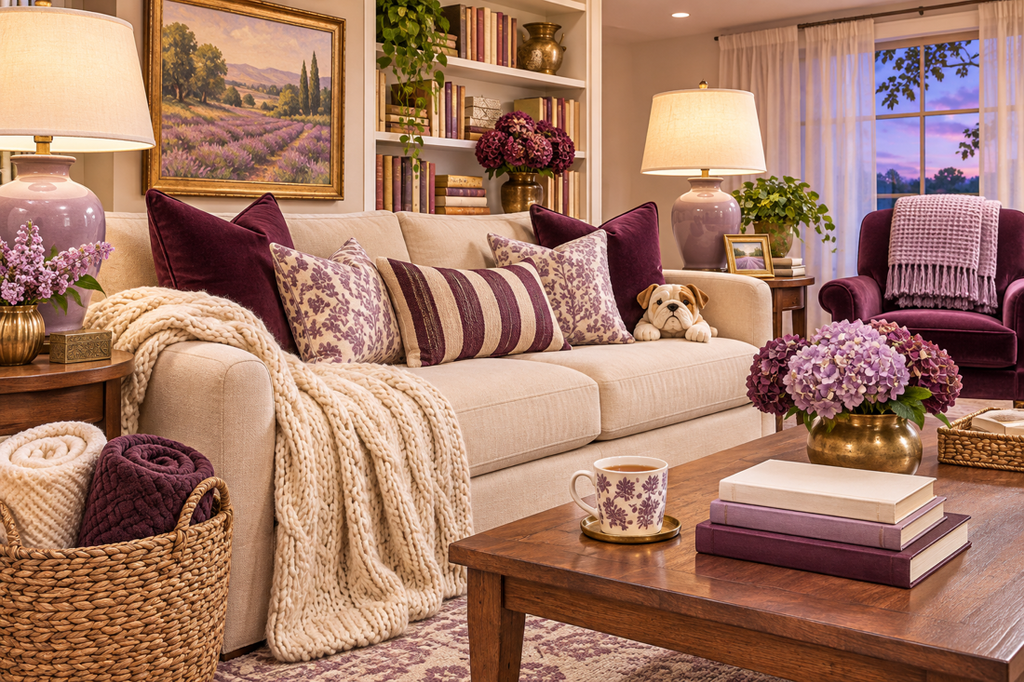
You don’t need a closet full of new textiles to get this right. Most homes already have the pieces; they just need to be moved to the right spots, sized better and arranged with a little intention. These ideas start with where you sit and end with where everything lives at the end of the day.
Blanket and Pillow Layering Ideas at a Glance
- Start where you actually get cozy.
- Choose a blanket size that fits the person and the seat.
- Build a small blanket wardrobe by weight.
- Style blankets so they’re easy to grab.
- Pick pillow sizes that fit your sofa.
- Use inserts that feel as good as they look.
- Arrange sofa pillows with a simple formula.
- Mix pattern, texture and scale.
- Layer chairs, nooks and window seats.
- Give blankets and pillows a home when they’re not in use.
Start Where You Actually Get Cozy
The best place for a blanket or pillow is wherever someone already sits, reads, naps or watches TV. Map those spots first, and you’ll know exactly how many layers your home needs and where they belong.

Where should I put blankets and pillows first?
Start with the seat that gets used the most, which is usually one end of the sofa. Then add the chair where someone reads, the bed and any corner where people end up curling up without being asked.
Most homes don’t have a shortage of blankets. They have blankets in the wrong places: folded in a hall closet, piled on a chair nobody sits in, or tossed over the back of the one seat where they get in the way.
Spend one evening noticing where everyone settles. Who claims the corner of the sofa? Who reads in bed? Does someone always end up on the floor with the dog? Those spots are your layering map, and they matter more than any styling rule.
Once you know them, give each spot its own small kit: one throw within arm’s reach and one or two pillows that support the way people actually sit there. A reading chair needs a lumbar pillow and a throw for your lap. A family sofa needs throws for everyone who piles on during movie night. A guest room bed needs an extra blanket that guests can find without asking.
This is also the easiest way to avoid overbuying. If a spot isn’t used, it doesn’t need more layers, no matter how pretty the pillow at the store is.
Cozy Spots to Check
- The end of the sofa that everyone fights over
- The chair where someone reads or drinks coffee
- The bed, including the side someone sits on to put on socks
- A window seat, bench or floor corner where kids or pets gather
- The guest room or the pull-out sofa
Homey Hygge Tip
For one week, leave a throw in a basket in the middle of the living room. Notice where it ends up each night. That spot needs a permanent blanket.
Choose a Blanket Size That Fits the Person and the Seat
A throw that’s too short is the fastest way to ruin a cozy moment. Pick sizes based on who uses the blanket and how they sit, not on what looks neat when it’s folded.

What size should a throw blanket be?
A standard throw is about 50 by 60 inches, which covers most adults sitting on a sofa. If you’re tall, love to stretch out or share a blanket with someone, look for a large throw around 60 by 70 inches or an oversized one around 70 by 80 inches.
Throw sizes aren’t fully standard, and they can vary by a few inches between brands. As a rough guide, a small throw is about 40 by 50 inches, a standard throw is about 50 by 60 inches, a large throw is about 60 by 70 inches, and an oversized throw is about 70 by 80 inches.
Small throws are perfect for a lap in an armchair or a child on the sofa. Standard throws work for most adults sitting upright. Large and oversized throws are the ones people actually fight over, because they cover your feet when you stretch out and leave room to share.
As a tall person, I’ve learned this the hard way. A blanket that looks generous in the store can leave my feet sticking out the moment I lie down. Now I check the length before anything else, and the long ones get used every single night.
Think about the furniture too. A small throw can drape neatly over a slim armchair without pooling on the floor, while a deep sectional can handle a much larger blanket. If you’re layering at the foot of a bed, a larger throw or a quilt will look intentional instead of like a scarf someone dropped.
Blanket Sizes to Know
- Small (about 40 x 50 inches): laps, kids and slim armchairs
- Standard (about 50 x 60 inches): most adults sitting on a sofa
- Large (about 60 x 70 inches): tall people, stretching out and the foot of a queen bed
- Oversized (about 70 x 80 inches): sharing, napping and big sectionals
Homey Hygge Recommendation
Measure your favorite blanket, the one everyone reaches for first. That’s your household’s real size, and it’s the number to look for next time you buy.
Build a Small Blanket Wardrobe by Weight
Different moments need different warmth. A few blankets in light, medium and heavy weights will keep you comfortable from crisp fall evenings to the coldest nights of winter.

How many throw blankets do I need?
Most households do well with one throw per person who regularly uses the living room, plus one or two extras for guests. Spread them across different weights instead of buying several of the same kind.
Think of your blankets like a wardrobe. You wouldn’t wear a heavy wool coat in September, and you don’t need a thick chenille throw when you just want something over your legs while you drink coffee.
Light blankets, like cotton waffle weave, gauze and lightweight knits, are good for warmer evenings and for people who run hot. Medium blankets, like chunky knits, fleece and soft acrylics, are the everyday workhorses. Heavy blankets, like wool, chenille, faux fur and sherpa, are for deep winter and anyone who’s always cold.
A heated throw can also earn a spot in the mix, especially in a reading chair or a room that never quite warms up. I keep one in my reading nook, and it’s the first thing I turn on when I sit down on a cold night. Follow the manufacturer’s directions, turn it off when you get up, and avoid bunching or folding it while it’s switched on.
Keep the current season’s blankets out and rotate the rest into storage. Your sofa won’t look crowded, and the blankets you have out will always feel right for the weather.
Blanket Weights to Mix
- Light: cotton waffle, gauze, linen and lightweight knits
- Medium: chunky knit, crochet, fleece and soft acrylic
- Heavy: wool, chenille, faux fur and sherpa
- Extra warm: a heated throw for the coldest spot in the house
Homey Hygge Tip
When the weather changes, do a quick blanket swap: put the lightest throws away, bring the heavier ones out and wash anything that’s been sitting since last season.
Style Blankets So They’re Easy to Grab
A blanket only adds comfort if someone can reach it without getting up. Style throws loosely and within arm’s reach, so they look inviting and actually get used.

How do you style a throw blanket on a sofa?
Drape it over one arm of the sofa or across one corner of the seat, letting it fall loosely instead of folding it perfectly. A relaxed drape looks inviting and tells people they’re welcome to use it.
There are three easy ways to style a throw, and each one works best in a different spot. A drape over the arm or the corner of a seat is the most inviting and the easiest to grab. A fold in thirds over the back of a chair or the foot of a bed looks tidier and works well in rooms that need to feel calm. A basket keeps extras close by without crowding the furniture.
Avoid draping a throw across the entire back of the sofa. It tends to slide down behind the cushions, and it hides the shape of the sofa you probably spent a lot of time choosing. One throw on one end usually looks better than two blankets fighting for space.
If you have several blankets in one room, give each a different job. One draped on the sofa for everyday use, one folded on the reading chair and two or three rolled in a basket for movie night is plenty. That way the room looks layered without looking like the laundry hasn’t been put away.
Easy Ways to Style a Throw
- Drape it over the sofa arm and let one corner fall to the seat
- Toss it loosely across one corner of the seat cushion
- Fold it in thirds over the back of an armchair
- Fold it at the foot of the bed with a few inches hanging over each side
- Roll extras and stand them upright in a basket
Homey Hygge Tip
Try the pinch-and-drop: pinch the throw in the middle, lift it and let it fall over the sofa arm. It creates a natural, relaxed drape in about two seconds and looks better than anything you fuss over.
Pick Pillow Sizes That Fit Your Sofa
Pillow size should match the size and depth of your seating. Pillows that are too small look lost, while pillows that are too big take over the seat and leave nowhere to sit.

What size throw pillows should I use on my sofa?
Most sofas look best with pillows between 18 and 22 inches square. Use 22-inch pillows on deep or large sofas, 20-inch pillows on most standard sofas and 18-inch pillows on smaller sofas, loveseats and chairs.
The most common throw pillow sizes are 18, 20 and 22 inches square. On a standard three-seat sofa, 20-inch pillows are a safe place to start. On a deep sofa or a large sectional, you can go up to 22 or even 24 inches, so the pillows don’t disappear against a tall back cushion.
Lumbar pillows are the secret weapon of a comfortable sofa. A long, narrow pillow, around 12 by 20 inches or 14 by 24 inches, supports your lower back when you’re sitting upright and adds a different shape to the arrangement. They’re also great on chairs and beds, where a big square pillow can push you forward.
For smaller seats, scale everything down. A loveseat or armchair usually needs one or two smaller pillows rather than a full set. If you have to move a pillow out of the way before you can sit down, it’s too big or there are too many.
Pillow Sizes to Consider
- 18-inch square: loveseats, armchairs and smaller sofas
- 20-inch square: most standard sofas
- 22- to 24-inch square: deep sofas, sectionals and beds
- Lumbar (about 12 x 20 or 14 x 24 inches): lower-back support on sofas, chairs and beds
Homey Hygge Recommendation
Before buying pillows, sit on your sofa and lean back. Measure the gap between your lower back and the back cushion, and the height of the back cushion itself. That tells you whether you need lumbar support, bigger squares or both.
Use Inserts That Feel as Good as They Look
The insert is what makes a pillow comfortable. A full, slightly oversized insert gives a pillow a plump, inviting shape that holds up to everyday use.

Should a pillow insert be bigger than the cover?
Yes. Choose an insert about 2 inches larger than the cover, such as a 22-inch insert in a 20-inch cover. It fills out the corners and keeps the pillow from looking flat.
A pillow with an insert that matches the cover exactly will look a little limp, especially in the corners. Going up about 2 inches makes the cover look full and lets you give the pillow a gentle chop or squeeze without losing its shape.
Feather and down inserts are soft, squishy and easy to reshape, which is why so many designers love them. They do need to be fluffed often, and some feathers may poke through thinner fabrics. A down-alternative or polyester fill holds its shape well, costs less and is the better choice if anyone in your home has allergies.
Since the covers are the part you’ll want to change with the seasons, it pays to invest in good inserts once. Then you can swap a velvet cover for linen in spring, or bring out a plaid cover for the holidays, without buying whole new pillows each time.
What Makes a Comfortable Pillow
- An insert about 2 inches larger than the cover
- Feather or down blends for a soft, squishy feel
- Down alternative or polyester fill for allergies and easy care
- Covers with zippers, so they come off for washing
- Good inserts that last through many seasons of cover swaps
Homey Hygge Tip
If your pillows look flat, don’t replace them yet. Try putting a bigger insert inside the cover you already have. It’s often the cheapest upgrade in the whole room.
Arrange Sofa Pillows With a Simple Formula
A simple arrangement, built from the corners in, looks pulled together and still leaves room to sit. Start with your largest pillows at the ends and work toward the middle with smaller ones.

How many throw pillows should go on a sofa?
A standard three-seat sofa usually looks best with three to five pillows. Loveseats and chairs need one or two, while sectionals can take more as long as every seat still has room for a person.
The easiest formula is to work from the outside in. Put your largest pillows in the two corners, add a slightly smaller pillow in front of each and finish with a lumbar or a single accent pillow in the middle if there’s space. That gives you a balanced look with layers of different sizes.
There are a few classic combinations to try. Two plus two places a matching pair of large pillows in each corner with a smaller pair in front, which feels calm and symmetrical. Two plus two plus one adds a lumbar in the middle for a finished look. Three and two groups three pillows at one end and two at the other, which feels more relaxed and collected over time.
Whatever you choose, the sofa still has to work. If your family sits in the middle, keep the middle clear. If someone always lies down with their head on the arm, keep one corner soft and squishy instead of stiff and decorative. The point is comfort first and pretty second. For more ideas on making the whole room feel this way, see our guide to hygge living room ideas for a cozy, inviting space.
Pillow Arrangements to Try
- Two plus two: a large matching pair in the corners with a smaller pair in front
- Two plus two plus one: the same, with a lumbar in the middle
- Three and two: three pillows at one end and two at the other
- One per seat: a single pillow per cushion for tight sofas and daily lounging
- Sectional: two in each outside corner, one in the corner seat and none where people sit most
Homey Hygge Tip
After you arrange the pillows, sit in every seat. If you have to move a pillow to get comfortable, take it away or swap it for something smaller.
Mix Pattern, Texture and Scale
Mixed pillows and blankets look cozy and collected when they share a color story but differ in pattern size and texture. A few simple rules keep the mix interesting without making it look chaotic.

How do you mix throw pillows without it looking messy?
Choose two or three colors to repeat, then mix one larger pattern, one smaller pattern and a solid or textured pillow. Repeating colors ties everything together, while the different scales keep it interesting.
Pattern mixing feels intimidating, but it gets much easier when you think in scale. Pair one larger pattern, like a big floral, plaid or medallion, with a smaller one, like a tiny check, stripe or dot, and add a solid. The patterns don’t compete because they’re different sizes, and the solid gives your eye a place to rest.
Texture does just as much as color. Velvet, chunky knit, linen, bouclé, faux fur, quilted cotton and embroidery all catch the light differently. Even an all-plum pillow arrangement can look rich and layered if one pillow is velvet, one is knit and one is linen.
For color, pick two or three hues that already appear in the room and repeat them across the pillows and blankets. A plum velvet pillow, a lavender knit throw and a cream pillow with a small plum pattern feel connected, even though none of them match exactly. If you need help choosing a color story, see our guide to the best hygge color palettes for a cozy home.
This is also a great place for a little personality. I love blankets with fun designs, like coffee mugs and dogs, and one playful piece in the mix makes the room feel like a real person lives there.
Mixing Rules That Work
- Repeat two or three colors across pillows and blankets
- Pair one large pattern with one smaller pattern
- Add at least one solid or texture-only piece
- Combine smooth and nubby textures, like velvet with knit
- Allow one playful or sentimental piece to break the rules
Homey Hygge Tip
Take a photo of your sofa and switch it to black and white. If everything blends into one gray blur, add contrast with a lighter or darker pillow or a stronger texture.
Layer Chairs, Nooks and Window Seats
Cozy layers belong everywhere you sit, not just on the sofa. A single pillow and a throw can turn a chair, a window seat or a corner of the floor into somewhere people want to stay.

How do you layer pillows and a throw on an armchair?
One pillow and one throw are usually enough for an armchair. Use a lumbar or an 18-inch pillow for back support, and drape or fold a throw over the arm or back so it’s ready to pull onto your lap.
Armchairs and accent chairs need less than you think. One supportive pillow and one throw make a chair inviting without crowding the seat. If the chair is deep, a lumbar pillow helps shorter people sit back comfortably, while a bigger square pillow suits a chair where people tuck their legs up.
Reading nooks are where layering really pays off, because you settle in for a long time. My reading nook has a comfy chair, a lamp and a heated blanket, and those three things make it the coziest spot in the house on a cold night. For more ways to build your own, see our guide on how to create a cozy reading nook in any space.
Window seats, benches and floors can take more layers than chairs, because they’re meant for lounging. Line a window seat with two or three large pillows against the wall and keep a blanket folded at one end. For the floor, try a pouf, a large floor cushion or a stack of oversized pillows near a rug, which kids and pets will claim almost immediately.
And of course, the bed is the biggest layering opportunity in the house. It deserves its own plan, so for sheets, quilts, throws and pillow stacks, see our guide on how to create a hygge bed with layers and texture.
Spots That Benefit From Layers
- Armchairs: one supportive pillow and one throw
- Reading nooks: a lumbar, a long throw or heated blanket and a footrest
- Window seats: two or three large pillows and a folded blanket
- Floors: floor cushions, poufs and an oversized pillow or two
- Beds: sheets, a blanket, a duvet, a quilt, a throw and a usable pillow stack
Homey Hygge Recommendation
Give one forgotten chair in your home a pillow and a throw this week. Then notice whether anyone starts using it. If they do, you’ve just created another cozy spot.
Give Blankets and Pillows a Home When They’re Not in Use
Layers feel cozy when they have somewhere to go at the end of the day. Baskets, ladders, benches and closet shelves keep blankets close at hand without letting the room look cluttered.

Where should I store throw blankets in the living room?
Keep the blankets you use daily in a large basket next to the sofa or on a blanket ladder. Store out-of-season blankets in a lidded bin, under the bed or inside a storage bench or trunk.
Every cozy home has a moment, usually around bedtime, when blankets are everywhere and pillows are on the floor. That’s normal. What helps is giving everything an easy home, so tidying up takes two minutes instead of twenty.
A large basket beside the sofa is the simplest option. Roll blankets and stand them upright so you can see each one and grab what you want. Blanket ladders add a nice vertical display for two or three throws, and a storage bench or trunk at the foot of the bed or by the window hides extras completely.
For off-season pieces, use breathable cotton storage bags or lidded bins, and make sure everything is clean and fully dry before it goes in. Keep spare pillow covers flat and folded together, so seasonal swaps are quick. A cedar block or lavender sachet in the bin can help keep things fresh.
A little nightly reset makes a big difference. Fold or drape the throws, plump the pillows and return extras to the basket. It takes a minute or two, and the room feels welcoming again in the morning.
Storage Ideas That Keep Layers Handy
- A large woven basket beside the sofa for everyday throws
- A blanket ladder for two or three favorite blankets
- A storage bench, ottoman or trunk for extras
- Breathable bags or lidded bins for off-season blankets
- A shelf or drawer for spare pillow covers
Homey Hygge Tip
Make the nightly reset part of your wind-down routine. Plump, fold and drape while the kettle boils or the dishwasher starts, and you’ll wake up to a room that’s ready to enjoy.
Make It Work in Your Home

The right amount of layering depends on your space, your household and your budget. A few adjustments help these ideas fit real life instead of the mythical future house where everything stays perfectly fluffed.
Small spaces: Choose fewer, better pieces. One great throw and two or three pillows on a small sofa look cozier than a crowded pile, and a lidded basket that doubles as a side table keeps extras out of sight.
Kids and pets: Pick washable covers with zippers and blankets that can go in the machine. Darker colors, small patterns and textured fabrics hide everyday life better than pale velvet, and an extra throw over a favorite pet spot protects the sofa underneath.
Renters and budgets: Swap covers instead of whole pillows, and shop your home before you shop the store. Bedroom pillows, guest room throws and quilts from the closet can often move to the living room and look brand new in a different setting.
Seasons: Change the textures with the weather. Bring out knits, velvets and wool for fall and winter, then switch to cotton, linen and lighter colors in spring and summer, keeping the same color story so the room still feels like yours. For more seasonal ideas, see our guide to cozy winter decor ideas inspired by hygge.

Free 7-Day Printable
Make Your Home Feel Cozier in 7 Days
A soft throw and a plump pillow are a lovely place to start. The free 7-Day Homey Hygge Home Reset walks you through one small, doable step a day to make your whole home feel warmer, calmer and more like you, and none of it starts with shopping.
Cozy emails, no clutter. Unsubscribe anytime.
Mistakes to Avoid When Layering Blankets and Pillows

Most layering problems come from adding too much or choosing for looks alone. Watch out for these common mistakes.
- Too many pillows: If people have to move pillows before they can sit, remove a few.
- Throws that are too small: A short throw won’t cover your feet and won’t get used. Choose by the person, not by the price tag.
- Flat, limp pillows: Use inserts about 2 inches larger than the cover and fluff them often.
- Everything matching: A sofa full of identical pillows looks stiff. Mix scale and texture within a shared color story.
- Nowhere to put anything: Without a basket, ladder or bench, blankets end up on the floor. Give them a home.
- Scratchy or hard-to-wash fabrics: If a blanket isn’t soft or can’t be cleaned easily, it won’t get used. Comfort and care matter as much as looks.
How to Care for Blankets and Pillows
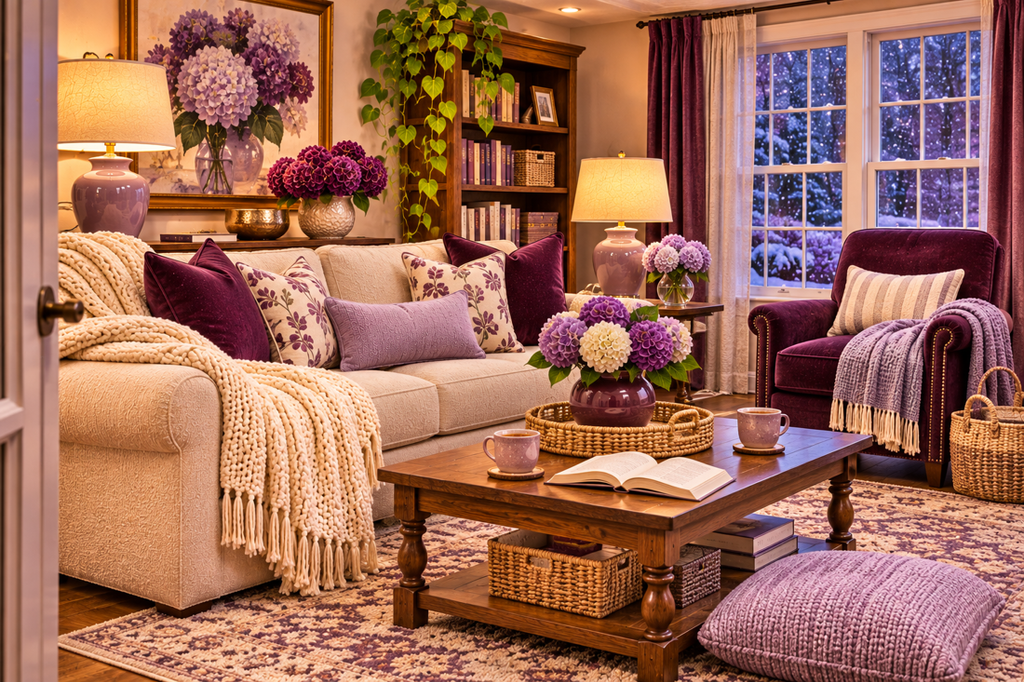
A little care keeps your layers soft, fresh and looking good for years. Always check the care label first, because fabrics and fills vary.
- Pillow covers: Unzip and wash them every few weeks, or whenever they look tired. Wash velvet and embroidered covers inside out on a gentle cycle.
- Down and feather inserts: The Sleep Foundation recommends washing down and feather pillows at least every six months in cool or warm water, since hot water can damage down. Dry them on low or no heat with a couple of clean tennis balls or dryer balls, and make sure they’re completely dry to prevent mildew.
- Down-alternative and polyester inserts: Most can go in the washing machine on a gentle cycle. Dry on low heat and fluff between cycles.
- Wool and chunky knit throws: Hand wash or use a wool cycle in cool water, then lay flat to dry so they don’t stretch.
- Fleece, sherpa and faux fur: Wash in cool water on gentle and skip fabric softener, which can mat the fibers.
- Everyday fluffing: Give pillows a quick plump each day and air blankets out in the sun now and then to keep them fresh.
Shop the Cozy Layers
- A large or oversized chunky knit throw for the sofa
- A heated throw for the reading chair or the coldest room
- Feather-blend or down-alternative pillow inserts, 2 inches larger than your covers
- Velvet, linen and knit pillow covers with zippers for seasonal swaps
- A large woven basket or blanket ladder for everyday throws
Frequently Asked Questions About Layering Blankets and Pillows
Should throw pillows match the sofa?
They don’t need to match, but they should relate to it. Choose pillows that repeat a color from the room or contrast gently with the sofa, so they stand out without looking random.
Is it better to use an odd or even number of pillows?
Both work. Even numbers in matching pairs feel calm and symmetrical, while odd numbers feel more relaxed and collected, so choose the one that suits your room and how you use the sofa.
What’s the coziest blanket material?
It depends on how warm you like to be. Chenille, faux fur, sherpa and wool are the warmest and softest for winter, while cotton waffle weave and lightweight knits are cozy without making you overheat.
How often should I replace pillow inserts?
Replace inserts when they stay flat after fluffing, feel lumpy or no longer spring back. Good feather and down inserts can last for years with regular fluffing and washing, while cheaper polyester inserts may flatten sooner.
How do I keep a throw blanket from sliding off the sofa?
Drape it over the arm instead of the back, so gravity keeps it in place. For slippery leather or velvet sofas, a heavier knit or a throw with some texture tends to stay put better than a smooth, lightweight one.
Can I use bed pillows on the sofa?
Yes, especially for napping and movie nights. Put them in decorative covers or shams during the day, or keep them in a basket nearby so they don’t take over the seat.
Make Every Seat an Invitation
Layering blankets and pillows isn’t about filling every surface. It’s about making each spot where your family settles feel soft, warm and ready to use, whether that’s the end of the sofa, a reading chair or a window seat on a rainy afternoon.
Start with where you actually get cozy, choose sizes and materials that fit the people using them and arrange everything so it’s comfortable first and pretty second. Then give it all a home, so the room feels welcoming every morning.
Ask yourself: would someone want to sit here, pull up this blanket and stay a while? If the answer is yes, your layers are doing their job.
Continue Creating Your Homey Hygge Home
Ready to bring these layers into a whole room? Start with the room where your family gathers most. See our guide to hygge living room ideas for a cozy, inviting space.